


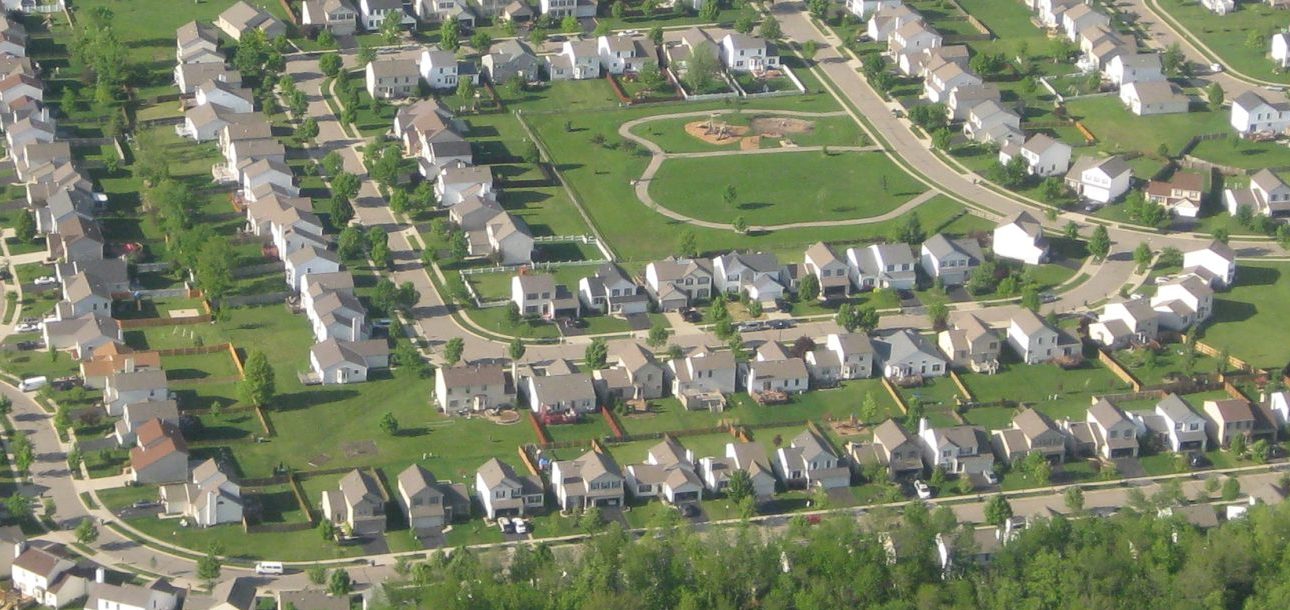
For Wall Street Journal from Los Angeles–Return-to-office mandates at high-profile companies have grabbed headlines and some big cities are showing more life downtown, but remote work remains entrenched enough to keep population gains in suburbs, rural areas and smaller cities from reversing—for now at least.
This means higher housing prices outside the big traditional job centers could be persistent.
Housing in the suburbs has seen more demand than in large cities because of office workers doing their jobs remotely since the pandemic, says Andra Ghent, finance professor at the University of Utah’s David Eccles School of Business.
While some companies have been calling workers back to the office, such moves haven’t been widespread enough to signal a broad turning point, according to Stijn Van Nieuwerburgh, real estate and finance professor at Columbia University’s Graduate School of Business. Remote work for at least some days of the week is now offered by around two thirds of U.S. companies, he said.
For the first time in 40 years, rural areas are gaining population rather than losing it, Van Nieuwerburgh added. Traditionally, housing and rental prices are highest at the city center while becoming lower the farther out you go into the suburbs. But that sloping curve has been flattening since the pandemic because housing and rental prices near or in the city centers have fallen or haven’t risen as much as the suburbs, he said.
Read full story here.